


NCC Army
National Cadet Corps (Army – Infantry) Division
“B” Company, 7(TN) Battalion NCC, Madurai Group
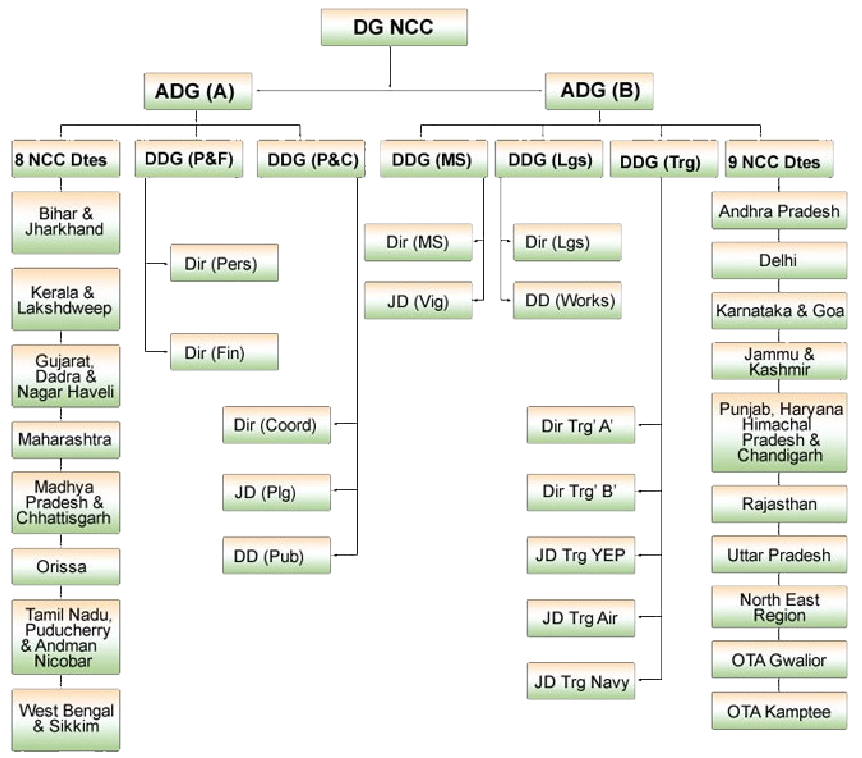
Tamil Nadu, Pondicherry & Andaman Nicobar Directorate
About NCC
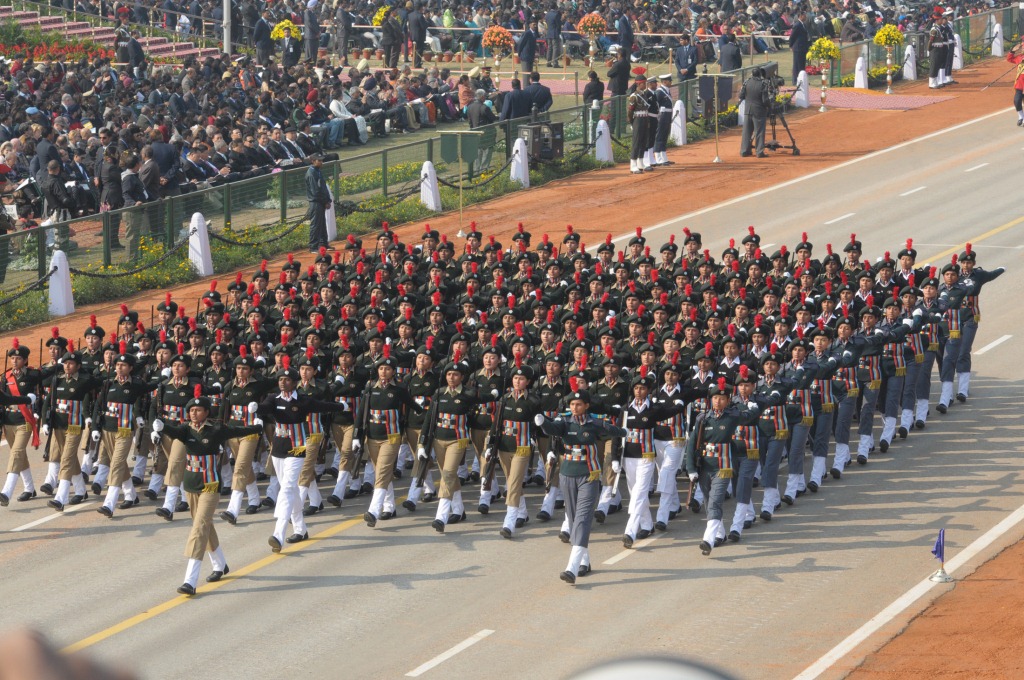
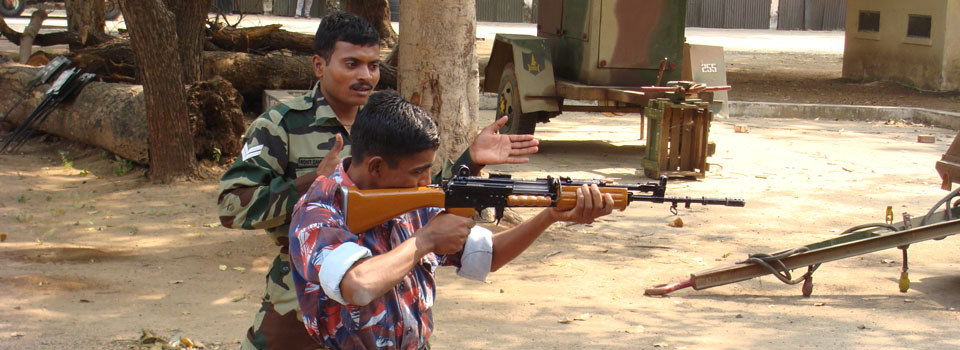
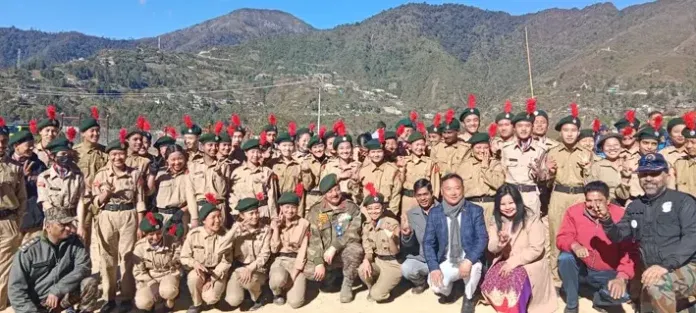
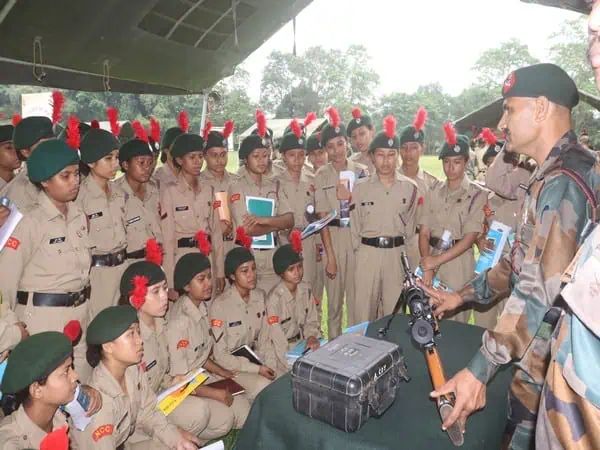
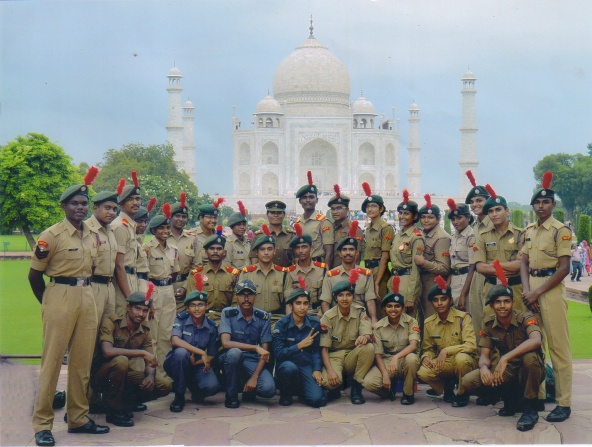
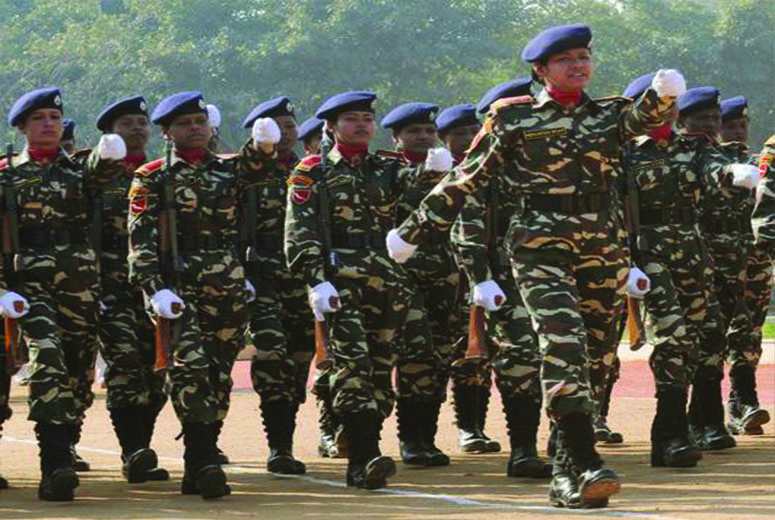
The National Cadet Corps (NCC) is the Indian military cadet corps headquartered in New Delhi. It is a voluntary organization open to school and college students, recruiting cadets from high schools, colleges, and universities across India. Cadets receive basic military training in small arms and parades. While officers and cadets have no obligation for active military service upon course completion, their NCC achievements provide an advantage during selections for various opportunities.
TC NCC Army
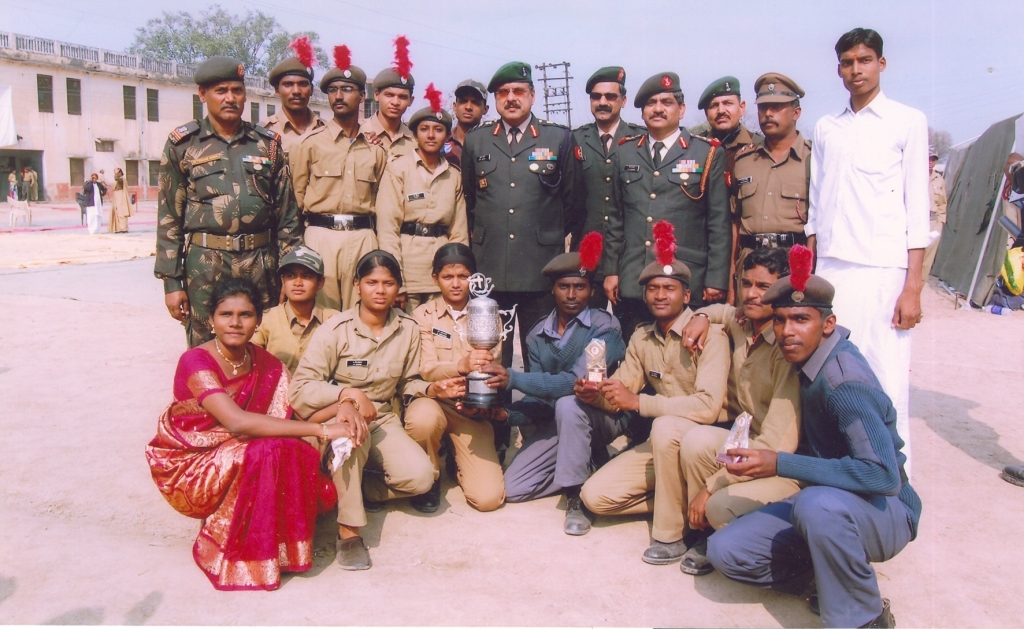
The NCC Army Infantry Division was instituted at our college in 1952. It operates under the 7 Tamil Nadu Battalion NCC, part of the Madurai Group, Tamil Nadu, Pondicherry, and Andaman Nicobar Directorate, with a strength of 75 cadets and one Associate NCC Officer. In 2004, girl students were enrolled under the mixed battalion concept. In 2006, we received appreciation from the Minister for Youth Welfare, Government of Tamil Nadu, and the Defence Secretary, Ministry of Defence, Government of India, for organizing a State Level Seminar on the Role of NCC in Nation Building.
Motto
Unity and Discipline
(Adopted on 12 October 1980 at the 12th Central Advisory Committee meeting)
Oath
I do hereby solemnly promise that I will serve my motherland most truly and loyally and that I will abide by the rules and regulations of the National Cadet Corps. Further, under the command and control of my commanding officer, I will participate in every camp most sincerely and wholeheartedly.
Pledge
We, the cadets of the National Cadet Corps, do solemnly pledge that we shall always uphold the unity of India. We resolve to be disciplined and responsible citizens of our nation. We shall undertake positive community service in the spirit of selflessness and concern for our fellow beings.
Emblem
The NCC flag features the NCC crest in gold at the center, encircled by a wreath of seventeen lotuses, representing the 17 state directorates, against a background of red (Army), blue (Navy), and light blue (Air Force). The motto "Ekta aur Anushasan" (Unity and Discipline) is inscribed at the bottom.
Our Courses
SSB Training Course
Service Selection Board examination training

Mountaineering Course
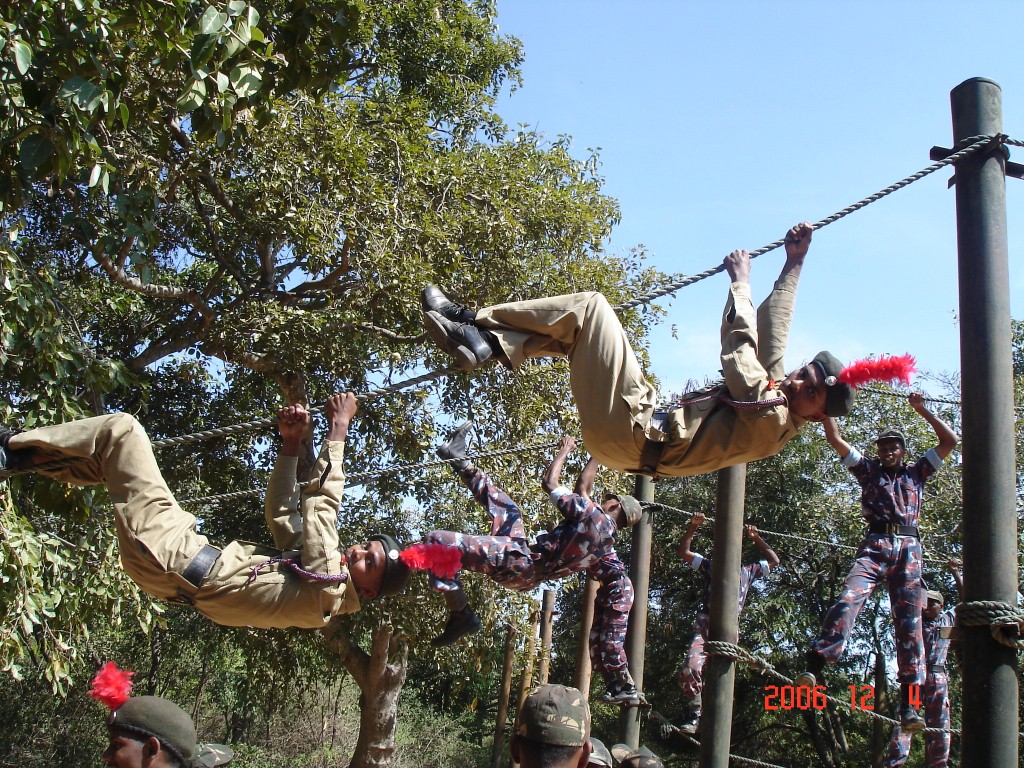
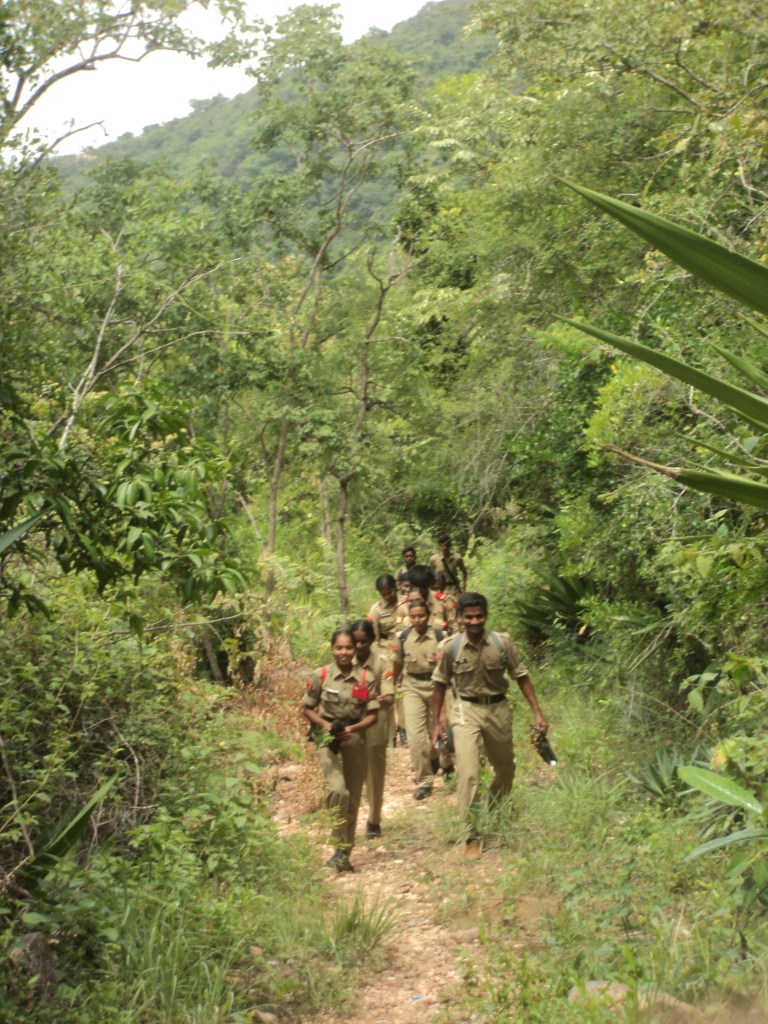
Mountain climbing training and camps
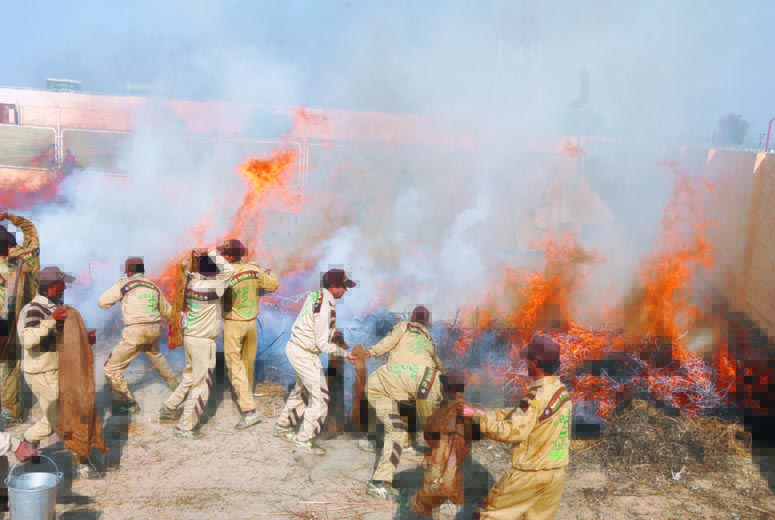
Disaster Management Courses
Disaster Management

First Aid Course
Helping those who are injured
Cardinal Principles of NCC
- Obey with a smile
- Be punctual
- Work hard without fuss
- Make no excuses and tell no lies
Aims of NCC
- To develop qualities of character, courage, comradeship, discipline, leadership, secular outlook, spirit of adventure, sportsmanship, and selfless service among youth to make them useful citizens
- To create a human resource of organized, trained, and motivated youth to provide leadership in all walks of life, including the Armed Forces, and be always available for the service of the nation
NCC at a Glance

39
Teachers

2600
Students

56
Courses

13
Years Experience
History
History and Growth of NCC
The National Cadet Corps (NCC) has its genesis in the University Corps (UC), created under the Indian Defence Act, 1917, to address Army shortages. In 1920, the UC was replaced by the University Training Corps (UTC), which was renamed the University Officers’ Training Corps (UOTC) in 1942. The need for a national youth organization to train young boys and girls to be better citizens and future leaders was recognized by Indian leaders. A committee under Pandit H.N. Kunzru, formed in 1946 at the behest of Prime Minister Pandit Jawaharlal Nehru, paved the way for the NCC. The National Cadet Corps came into existence on 15 July 1948 under the National Cadet Corps Act (No. XXXI of 1948). Initially, it included the Senior Division (boys in colleges/universities) and Junior Division (boys in schools). In 1949, the Girls Division was introduced to provide equal opportunities. The NCC gained an inter-service image in 1950 with the addition of the Air Wing, followed by the Naval Wing in 1952. Community development and social service activities were incorporated into the NCC syllabus at Nehru’s initiative. Following the 1962 Chinese Aggression, NCC training became compulsory in 1963 but reverted to voluntary in 1968 due to student resistance and Vice-Chancellors’ suggestions. From a strength of 1.67 lakh cadets, the NCC has grown to over 13 lakh, with 774 units across 4880 colleges and 7783 schools.
Genesis
The Cadet Corps Committee, chaired by Pandit H.N. Kunzru, was formed on 29 September 1946 and held six meetings in South Block, New Delhi. Sub-committees toured provinces in pre-independent India, including areas now in Bangladesh and Pakistan, and visited Great Britain and France from 15 February to 31 March 1947 to study youth and cadet organizations. Their report, submitted in March 1947, was delayed due to the partition of India. Post-independence, India faced challenges like repatriation of displaced persons and the 1948 Kashmir War, highlighting the need for strong armed forces and reserves. The Kunzru Committee Report was revived by Prime Minister Jawaharlal Nehru, Defence Minister Sardar Baldev Singh, and Home Minister Sardar Vallabhbhai Patel. On 5 December 1947, the report was sent to provincial governments for approval. By January 1948, all provinces agreed in principle to the Cadet Corps Scheme.
Birth of the National Cadet Corps
The 1948 Kashmir War underscored the need for robust armed forces, leading to the Kunzru Committee’s recommendations being placed before the Constituent Assembly on 13 March 1948. A draft bill, presented on 19 March 1948, was passed on 8 April 1948 after deliberations. The National Cadet Corps Act (No. XXXI of 1948) received the Governor General’s assent on 16 April 1948, formally establishing the NCC. The NCC Secretariat, led by Col. Gopal Gurunath Bewoor as the first Director, was set up on 31 March 1948.
Inauguration of NCC
The NCC was inaugurated on 15 July 1948, following the reopening of schools and colleges after summer vacation. Initially, 96 Senior Division units were raised, including one Armoured Corps, three Artillery, five Engineers, two Signals, two Medical, and 83 Infantry companies. Due to verification requirements in Uttar Pradesh, Madras, and Bihar, only 20,000 cadets enrolled in 1948. Challenges included a shortage of trained teachers for the Junior Division. From these humble beginnings, the NCC has grown into the world’s largest uniformed youth organization, with 13 lakh cadets.